


The Impact of Natural Birth on Maternal and Neonatal Outcomes

Introduction
Natural birth, or unmedicated childbirth, represents a profound and intricate biological process. For this reason, it will also be referred to as physiologic birth in this article.
The American College of Obstetricians and Gynecologists (ACOG) formally defines physiologic birth as "spontaneous labor and birth at term without the use of pharmacologic and/or mechanical interventions for labor stimulation or pain management throughout labor and birth".1 This definition, part of the reVITALize project for standardizing obstetric terminology, underscores a process powered by the innate human capacity of the woman and fetus, where unnecessary interventions are avoided to ensure safe and healthy outcomes.2 The World Health Organization (WHO) further supports this approach, advocating for mobility in labor and emphasizing evidence-based, woman-centered care to ensure a positive and safe childbirth experience for families.1
At its core, normal physiologic childbearing is meticulously orchestrated by a complex interplay of four primary hormones: oxytocin, beta-endorphins, catecholamines, and prolactin.1 This hormonal design is not merely coincidental; it is a sophisticated biological system that aligns the readiness for birth between mother and baby, prepares the neonate for life outside the womb, enhances the efficiency of labor and delivery, aids the woman in coping with labor's intensity, minimizes postpartum bleeding, primes the body for successful breastfeeding, and facilitates essential postpartum maternal adaptations.3 This understanding highlights that physiologic birth is not simply the absence of medical intervention, but rather the optimal functioning of an interconnected hormonal system inherently designed for health-promoting outcomes. This perspective is critical for appreciating the extensive benefits that unfold throughout the childbearing continuum. It suggests that maternity care practices should be structured not only to ensure safety but also to actively protect and promote this intrinsic hormonal physiology, potentially leading to improved care, better health, and reduced healthcare costs.2
This report synthesizes recent, evidence-based findings to delineate the multifaceted advantages associated with physiologic birth across the stages of labor, the birth experience itself, and subsequent breastfeeding outcomes. Furthermore, it articulates the specific benefits in labor, distinguishing between its physiological and psychological impacts on the mother, the baby, and the breastfeeding journey.
Benefits of Physiologic Birth
Physiologic birth confers a wide array of benefits, impacting labor progression, the overall birth experience for both mother and baby, and the success of breastfeeding. These advantages stem from the body's natural processes being allowed to unfold without unnecessary disruption.
For Labor Progression
Physiologic birth is characterized by a spontaneous and efficient progression of labor, often leading to shorter duration of labor and enhanced maternal coping.
Spontaneous Onset and Progression: A hallmark of physiologic birth is its natural and unassisted initiation and advancement.2 This reflects the inherent capacity of the woman and fetus to guide the birthing process effectively.2
Shorter Labor Duration: Evidence consistently indicates that women who are encouraged to adopt upright positions and maintain mobility during labor experience significantly shorter labors.1 Mobility and frequent position changes are identified as effective strategies that reduce the overall length of labor, contributing to a more efficient and timely process.3
Enhanced Efficiency of Labor and Delivery (Hormonal Cascade): The natural cascade of endogenous hormones, particularly oxytocin, is central to enhancing the efficiency of labor and delivery.3 Oxytocin, released from the brain, placenta, and fetal tissues, leads to the upregulation of its receptors at term, resulting in increased uterine contractions that are both effective and coordinated.3 The optimal function of the neuroendocrine system enhances the release of endogenous oxytocin and beneficial catecholamines, which in turn promote effective labor patterns.2
Improved Maternal Coping and Reduced Stress: The natural hormonal cascade inherent in physiologic birth directly supports a woman's improved ability to cope with the intensity of labor.3 Maintaining a calm, low-stress environment during labor is crucial, as it promotes increased labor progress, enhances maternal coping, and consequently reduces the need for pharmacological pain medications.4 Such an environment allows the woman to feel safe and behave instinctually, which calms the neocortex and reduces the stress, fear, and anxiety that can otherwise impede natural coping skills and labor progression.3 This highlights a crucial interplay: the external environment profoundly influences a woman's internal hormonal physiology. High levels of stress can interfere with labor progress through various hormone pathways, while conversely, reducing stress can be a simple, low-technology approach with substantial benefits, including a reduced need for interventions.4 This means that creating a "physiologic environment" that fosters safety, privacy, and support is as vital as allowing "physiologic processes" to unfold naturally. Promoting self-efficacy, patient-centered decision-making, and ensuring the woman feels cared for, respected, and heard are fundamental elements that bolster her coping mechanisms.3
Benefits of Mobility and Positioning: Actively encouraging frequent changes in position and ambulation throughout labor, as opposed to the less natural dorsal lithotomy position, is highly effective in supporting physiologic processes.3 Mobility not only reduces the length of labor but also significantly improves fetal-maternal circulation and fetal oxygenation, leading to improved fetal heart rates.3 It is also associated with a diminished risk of serious perineal trauma and episiotomy, fewer cesarean births, and fewer operative vaginal deliveries.3 Furthermore, promoting mobility may decrease the reliance on epidural usage.3 Movement optimally aligns the physical relationship between the mother's body and the baby, easing the process of childbirth by aiding head descent, releasing tight ligaments or muscles, aligning the uterus, and opening the pelvis.3 Mobility serves as a powerful, low-technology practice that directly supports multiple facets of physiologic labor, acting as a preventative measure against common medical interventions and their associated risks. Despite clear evidence and calls from maternity care organizations to not restrict mobility for low-risk women in spontaneous labor, a significant proportion of women (61% in California) are still denied the ability to walk after admission for labor.1 This discrepancy between evidence-based recommendations and clinical practice indicates systemic barriers that need to be addressed through policy, education, and cultural shifts to fully realize the benefits of physiologic birth.
Eating and Hydration in Labor: The practice of withholding food and fluids during labor can increase stress and discomfort for the woman, and dehydration itself can be linked to labor dystocia.3 Allowing women to drink freely in labor helps prevent dehydration and alleviates discomfort, as most women drink to relieve thirst rather than to excess.3
For the Birth Experience (Maternal and Neonatal Outcomes)
Physiologic birth profoundly impacts the overall birth experience, leading to reduced interventions, improved maternal physical and mental health, and optimal neonatal transition.
Reduced Interventions: Physiologic birth is strongly associated with a significant reduction in the need for various medical interventions. This includes a lower incidence of cesarean births 1, fewer operative vaginal deliveries 3, and a decreased likelihood of requiring instrumental or surgical interventions overall.2 It may also lead to decreased epidural usage 3 and a reduced need for augmentation or induction of labor.2 This avoidance of unnecessary medical procedures directly translates to a reduction in iatrogenic harms, which are adverse effects caused by medical intervention.3
Improved Maternal Physical Health: Physiologic birth contributes to improved maternal physical health by reducing peripartum morbidity through the avoidance of surgery and its related complications.3 Specific physical benefits include a diminished risk of serious perineal trauma and episiotomy.3 Women who experience natural childbirth often report a faster recovery time, as they avoid the need for surgical treatments like cesarean sections and the potential side effects of anesthesia and epidurals. This rapid recovery enables women to regain their strength and mobility more quickly after birth.7
Improved Maternal Mental Health and Satisfaction: Women who undergo physiologic birth consistently report improved birth experiences.3 They often emerge from childbirth feeling physically and emotionally healthy and powerful.2 Physiologic birth can induce a unique and positive altered state of consciousness, sometimes referred to as "birthing consciousness" or a "flow state".8 This state is characterized by complete immersion, intense concentration, a sense of timelessness, and deep enjoyment, making the labor process intrinsically meaningful, rewarding, and empowering.8 This goes beyond simple satisfaction, indicating a deep, positive, and empowering engagement with the birthing process. Women frequently report a high level of satisfaction, attributing it to the comfort of their environment and an increased sense of control over the birthing experience.7 This empowerment can significantly boost self-esteem and confidence in their abilities as new mothers, positively influencing their parenting style and their approach to other life challenges.7 Furthermore, studies suggest a lower risk of postpartum depression for women who have natural births, as the endogenous hormones released during labor, such as oxytocin and endorphins, can improve mood and emotional health.8 A sense of accomplishment and the absence of medical difficulties also contribute to a more joyful postpartum experience.9
Optimal Newborn Transition and Health: Physiologic birth plays a crucial role in facilitating optimal newborn transition to extrauterine life.2 It leads to a significant reduction in harms related to labor augmentation, induction, instrumental vaginal birth, neonatal respiratory distress, and neonatal lacerations.4 Babies delivered vaginally are more likely to benefit from the natural compression of the birth canal, which aids in the expulsion of fluid from their lungs, thereby minimizing respiratory problems.9 Natural birth is also associated with increased exposure to beneficial maternal bacteria, which helps establish a stronger immune system and regulate the infant microbiome.9 The late-labor catecholamine surge, a hallmark of physiologic birth, provides critical protection to the fetus from hypoxia and promotes essential neonatal transitions, optimizing breathing, temperature, and glucose regulation.4 This surge also promotes newborn alertness and energy, which are vital for immediate bonding and successful breastfeeding initiation.4 This highlights a deeply intertwined, mutually reinforcing relationship where the mother's optimal physiological experience directly shapes the baby's optimal adaptation to extrauterine life. The reduction in maternal interventions, for instance, directly translates to a decrease in iatrogenic harms for the newborn.4 This interconnectedness reinforces the concept of the "dyad" in maternal-child health, emphasizing that decisions and interventions affecting one member of the dyad can have significant ripple effects on the other.
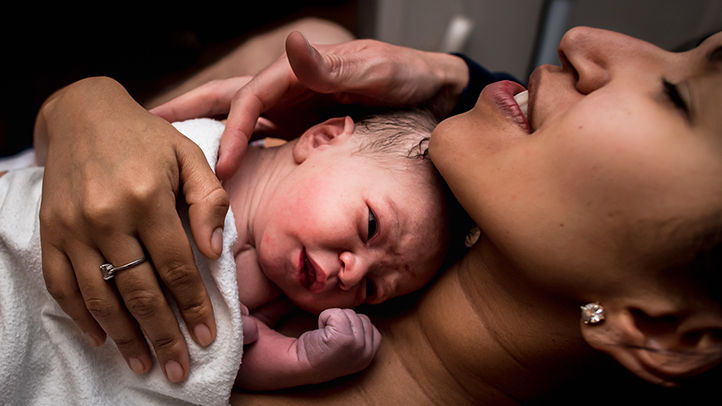
Improved Maternal-Infant Attachment: Physiologic birth inherently promotes robust maternal-infant attachment.3 The immediate, undisturbed skin-to-skin contact between mother and infant after a vaginal birth stimulates the production of oxytocin, often referred to as the "love hormone," which is crucial for fostering early bonding.4 This close contact mutually regulates maternal and newborn oxytocin systems, activating hormonally mediated maternal-infant biologic bonding.12
For Breastfeeding Success
Physiologic birth is intricately linked to successful breastfeeding outcomes, primarily through the optimization of hormonal processes and the promotion of early skin-to-skin contact.
Improved Rates and Early Initiation of Breastfeeding: Physiologic birth actively promotes improved rates of breastfeeding.3 The World Health Organization (WHO) strongly recommends the early initiation of breastfeeding, specifically within one hour of birth, identifying it as a core indicator for infant feeding practices.15 Physiologic childbearing inherently facilitates both the initiation of breastfeeding and the development of strong maternal-newborn attachment.12
Optimization of Hormonal Physiology: The intricate hormonal physiology of childbearing offers several direct benefits for successful breastfeeding.14 Prior to labor, there are crucial elevations in maternal mammary and central oxytocin and prolactin receptors, which are specifically designed to promote breastfeeding and maternal-infant attachment after birth.14 This establishes a clear, longitudinal connection: breastfeeding success is not an isolated postpartum event but a direct continuation and culmination of the physiological processes initiated during pregnancy and labor. The peak oxytocin activity, which is profoundly fostered by immediate skin-to-skin contact between mother and baby after birth, directly facilitates the initiation of breastfeeding.14 Beta-endorphins, another key hormone, contribute to the reward and reinforcement mechanisms of breastfeeding for both the mother and the baby.14 Prolactin, recognized as a major hormone for breast-milk synthesis, experiences significant postpartum elevations that actively promote milk production and essential maternal adaptations.14 Interventions during labor that disrupt natural hormonal physiology can have direct and measurable "downstream" effects on breastfeeding outcomes.
Benefits of Early Skin-to-Skin Contact: Early skin-to-skin contact (SSC) is supported by strong evidence from randomized controlled trials and systematic reviews for its positive effects on nearly all human milk feeding outcomes in both term and preterm infants.11 It demonstrably increases the likelihood and duration of breastfeeding, with studies showing improved exclusive breastfeeding rates at hospital discharge and at 1-4 months of age.11 SSC has also been associated with higher volumes of expressed human milk and plays an important role in helping infants transition from tube feeding to direct feeding at the breast.11 Beyond its direct impact on breastfeeding, SSC provides numerous benefits for the infant, including stabilizing physiological parameters such as temperature, oxygenation, and heart rate, reducing crying, and increasing blood glucose levels.11 It also helps regulate infant stress by improving heart rate variability, reducing cortisol levels, and increasing oxytocin levels.11 This suggests that SSC acts as a powerful, non-pharmacological intervention immediately after birth, actively continuing and reinforcing the hormonal cascade that supports breastfeeding initiation, milk production, and maternal-infant bonding. Given its profound and multifaceted benefits, SSC should be universally recognized and implemented as a standard of care, protected from any unnecessary disruption.
Benefits of Experiencing Pain in Labor
While often viewed negatively, the experience of pain in labor serves distinct physiological and psychological functions that contribute to optimal outcomes for both mother and baby, and can positively influence breastfeeding.
Physiological Adaptations for Mother and Baby
The physiological responses to labor pain are a part of the adaptive processes of childbirth.
Mother: Endogenous Analgesia and Hormonal Release: The experience of labor pain triggers the natural release of the body's own endogenous opioids, such as beta-endorphins. These hormones naturally modulate pain sensation and provide a soothing, analgesic effect.5 Beta-endorphins contribute to the "on another planet" feeling that women often describe during unmedicated labor and play a significant role in the bonding process.6 Oxytocin levels gradually increase as labor intensifies, stimulated by the sensations of pressure in the cervix and vagina. This increase extends to the brain, where oxytocin exerts calming and pain-relieving effects.6 The body's production of oxytocin and prostaglandins not only intensifies uterine contractions but also simultaneously influences how the brain processes these pain signals.5
Baby: Catecholamine Surge and Adaptations: The physiological stress of labor contractions, including the intermittent constriction of umbilical blood flow and the physical pressures exerted by the birth canal, elicits a significant and crucial surge of catecholamines (adrenaline and noradrenaline) in the fetus.13 This catecholamine surge confers vital protections and adaptations for the newborn as they transition to extrauterine life.4 This highlights that labor pain, rather than being simply a sensation to be eliminated, is an integral and purposeful component of a complex physiological process. It serves as a catalyst that triggers essential adaptive responses in the baby. Key benefits include:
Lung Fluid Clearance: Catecholamines stimulate the absorption of lung liquid, effectively preparing the baby's lungs for respiration at birth by clearing the amniotic fluid.10 The physical compression experienced as the baby passes through the birth canal during vaginal delivery also aids in squeezing out lung fluid.9 Conversely, babies born by scheduled cesarean section (without the experience of labor) have lower catecholamine levels and are consequently more susceptible to retained fetal lung fluid, which can lead to respiratory problems such as Transient Tachypnea of the Newborn (TTN).10
Thermoregulation and Glucose Regulation: The catecholamine surge promotes effective newborn thermoregulation through the burning of brown fat and mobilizes essential metabolic fuels for energy and glucose production immediately after birth.4
Alertness and Energy: This surge of catecholamines promotes newborn alertness and energy, which are critical for successful breastfeeding initiation and the establishment of early bonding.4
Neuroprotective Effects: The catecholamine surge plays a neuroprotective role by helping to preserve blood supply to the heart and brain, mitigating the potential negative effects of labor hypoxia.4
Cardiopulmonary Stability: Catecholamines contribute to the vital reorganization of the heart and circulatory system and the successful onset of pulmonary respiration in the newborn.13
Protective Function: Beyond its physiological triggers, the woman's sensations in childbirth serve a protective function for both the child and the mother. They can act as a warning signal for potential danger or help guide the woman to adjust to an optimal position for childbirth, demonstrating its purposeful role in the natural process.17
Psychological and Emotional Empowerment for the Mother
The experience of labor, when supported appropriately, can lead to profound psychological and emotional benefits for the mother.
Sense of Accomplishment and Control: Women who experience unmedicated births frequently report a profound sense of accomplishment and feel more in control of their birth experience.7 This empowerment can lead to a more pleasant overall experience and higher satisfaction with their birth journey.9 Interestingly, the ability to cope with pain, rather than the absolute level of pain experienced, is often rated as more important for a positive experience.18 This suggests that maternal satisfaction with childbirth is not primarily dependent on the absence or reduction of pain. Instead, it is significantly influenced by the woman's sense of control, feelings of empowerment, the quality of support received, and the outcome of the birth. The memory of pain is often transient and superseded by the overall positive experience.18 This challenges the prevailing medicalized approach that often prioritizes pain elimination above all else.
Deeper Emotional Connection: Without the numbing effects of pharmacological pain medications, women can fully experience the sensations and emotions of labor. This heightened awareness fosters a more present and conscious experience, leading to a stronger emotional connection to the birth process and the arrival of the baby.7 Many women embrace the pain as an integral part of the natural process, perceiving it as emotional and meaningful rather than an unnecessary sensation.17
Lower Risk of Postpartum Depression: Studies suggest that women who have natural births may be less likely to experience postpartum depression.9 The endogenous hormones released during natural labor, such as oxytocin and endorphins, are known to improve mood and emotional health.9 A sense of accomplishment derived from an unmedicated birth and the absence of medical complications also contribute to a more joyful and emotionally healthy postpartum experience.9
Enhanced Self-Esteem and Confidence: The strong sense of accomplishment and personal power gained from navigating natural childbirth can significantly increase a woman's self-esteem and confidence in her abilities as a new mother. This empowerment can positively impact her parenting style and her approach to other life challenges.7
Positive Mindset and Supportive Environment: Adopting a positive mindset towards childbirth has been shown to significantly reduce the perceived need for pain medication.17 Engaging in positive discussions about pregnancy with friends and family can help women perceive labor as a rewarding experience, which may in turn reduce the subjective amount of pain felt.17 A supportive environment, characterized by the presence of trusted companions such as partners, doulas, and midwives, provides essential emotional strength and encouragement, leading to a more positive and empowering birth experience.9
Impact on Breastfeeding Outcomes (by avoiding interventions)
The avoidance of pain medication during labor can have a direct and positive impact on breastfeeding initiation and duration.
Reduced Likelihood of Delayed Onset of Lactation (DOL): Research consistently indicates that mothers who received labor pain medications were more likely to report Delayed Onset of Lactation (DOL), defined as copious milk secretion occurring more than 72 hours (or > 3 days) postpartum, regardless of the delivery method.19 DOL is a significant predictor of shorter breastfeeding durations.19 Conversely, the prevalence of DOL was notably lowest among women who delivered vaginally and received no labor pain medication (11.4%).19
Improved Infant Suckling Behavior and Alertness: Labor and delivery medications can cross the placenta and affect the baby's health, potentially making them sleepy, a little uncoordinated, or causing problems with latching on.7 This diminished early sucking behavior can directly impact the infant's ability to latch effectively, extract milk, and adequately stimulate the breasts, all of which influence the timely onset of lactation.19 In contrast, babies born after natural childbirth are often more alert and interested in initiating breastfeeding immediately after delivery.7
Preservation of Natural Hormonal Balance Crucial for Lactation: Pharmacological interventions, such as epidural anesthesia, and the administration of exogenous oxytocin are associated with decreased levels of endogenous oxytocin.19 Endogenous oxytocin is essential for the milk ejection reflex and efficient milk removal, which are critical for successful lactation.19 The inherent hormonal physiology of childbearing is designed to biologically prepare both mother and baby for successful breastfeeding through a coordinated interplay of hormones.14 Any disruption of this delicate perinatal hormonal physiology, as can occur with interventions, may therefore negatively impact breastfeeding outcomes.12 The relationship between epidural anesthesia and breastfeeding is complex, involving institutional, clinical, maternal, and infant factors.20 For example, agents in epidurals can cross the placenta and potentially affect the infant’s suckling ability, leading to delayed initiation, less milk consumption, and early formula supplementation.20 Furthermore, epidural anesthesia is associated with decreased endogenous oxytocin levels, and exogenous oxytocin, often administered when labor slows, can further interfere with endogenous oxytocin release or uptake.20 This creates a "cascade of intervention," where one intervention (e.g., pain medication) can lead to others (e.g., synthetic oxytocin).
Conclusion
The evidence overwhelmingly supports the multifaceted benefits of physiologic birth and the functional significance of experiencing pain in labor for both the mother and the baby. Physiologic birth, defined by its spontaneous progression and the optimal functioning of a complex hormonal system, leads to shorter labors, enhanced maternal coping, and a reduced need for medical interventions. It fosters improved maternal physical and mental health, including faster recovery and a profound sense of empowerment and satisfaction, often characterized by a "flow state" during the birthing process. For the newborn, physiologic birth facilitates optimal transition to extrauterine life, promoting crucial physiological adaptations like lung fluid clearance, thermoregulation, and alertness, largely mediated by the vital catecholamine surge.
The experience of labor pain, far from being solely a negative sensation, acts as a biological catalyst. It triggers the release of the mother's endogenous pain-relieving hormones and elicits essential adaptive responses in the baby, preparing them for life outside the womb. Psychologically, navigating labor pain, especially within a supportive environment and with a sense of control, contributes to a woman's profound sense of accomplishment, deeper emotional connection to the birth, and potentially a lower risk of postpartum depression.
Furthermore, the integrity of physiologic birth processes is directly linked to successful breastfeeding. The natural hormonal cascade primes the mother's body for lactation, and immediate skin-to-skin contact after birth acts as a powerful hormonal catalyst, facilitating early initiation and sustained breastfeeding. Conversely, the use of labor pain medications is consistently associated with a higher likelihood of delayed onset of lactation and increased rates of breastfeeding cessation, underscoring the interconnectedness of birth practices and infant feeding outcomes.
In essence, optimal maternal and neonatal health outcomes are deeply intertwined and mutually reinforcing, with the mother's physiological experience directly shaping the baby's adaptation. This comprehensive understanding emphasizes the importance of protecting and promoting the innate human capacity for physiologic childbearing. It calls for a holistic approach to maternity care that prioritizes supporting natural biological processes, fostering woman-centered decision-making, and creating environments conducive to the inherent wisdom in the design of birth. Such an approach not only enhances the safety and positivity of the childbirth experience but also lays a robust foundation for the long-term health and well-being of both mothers and their infants.
Works cited
Healthy Birth Practice #2: Walk, Move Around, and Change Positions Throughout Labor https://pmc.ncbi.nlm.nih.gov/articles/PMC6503896/
Supporting Healthy and Normal Physiologic Childbirth: A Consensus Statement by ACNM, MANA, and NACPM*, https://pmc.ncbi.nlm.nih.gov/articles/PMC3647729/
Physiologic Birth for MOMS, https://mtmoms.org/wp-content/uploads/2021/05/Physiologic-Birth-for-MOMS.pdf
Supporting Physiologic Birth in the Hospital - University of Utah Health, https://physicians.utah.edu/sites/g/files/zrelqx276/files/media/documents/2021/08-26-16-supporting-physiologic-birth.pdf
The Science Behind Water Birth and Pain Perception, https://laborsoflovebirthcenter.com/the-science-behind-water-birth-and-pain-perception/
Pain in Labour: Your hormones are your helpers - Dr Sarah Buckley, https://sarahbuckley.com/pain-in-labour-your-hormones-are-your-helpers-2/
7 Advantages of Natural Childbirth - Willow obgyn, https://willowobgyn.com/blog/7-advantages-of-natural-childbirth
Being in the zone during physiological birth: a comparative study of hospital and home birth environments https://www.frontiersin.org/journals/global-womens-health/articles/10.3389/fgwh.2025.1573688/full
Benefits of Natural Childbirth - OBGYN High Desert https://obgynhighdesert.com/obgyn-news/benefits-of-natural-childbirth
C-section affect on babies and how can we improve that. - Flow-Osteopathy Klinik, https://www.flow-osteopathy.com/post/c-section-important-facts-regarding-your-new-born-baby-s-health-and-how-can-we-improve-that
Skin-to-skin care (SSC) for term and preterm infants | Canadian, https://cps.ca/en/documents/position/skin-to-skin-care
Executive Summary of Hormonal Physiology of Childbearing: Evidence and Implications for Women, Babies, and Maternity Care
Effects of Labor Contractions on Catecholamine Release and Breathing Frequency in Newborn Rats - PMC - PubMed Central, https://pmc.ncbi.nlm.nih.gov/articles/PMC2749474/
Hormonal Physiology of Childbearing: Evidence and Implications for Women, Babies, and Maternity Care, https://nationalpartnership.org/wp-content/uploads/2023/02/hormonal-physiology-of-childbearing-exec-summary.pdf
Early initiation of breastfeeding - World Health Organization (WHO), https://www.who.int/tools/elena/commentary/early-breastfeeding
The Interplay of Hormones and Natural Pain Relief During Childbirth - Anja Health, https://www.anjahealth.com/blog/unmedicated-labor-pain-management-techniques-breathing-movement-984fb
Pain management during childbirth - Wikipedia, https://en.wikipedia.org/wiki/Pain_management_during_childbirth
The Pain of Labour - PMC, https://pmc.ncbi.nlm.nih.gov/articles/PMC4589939/
Relationship between Use of Labor Pain Medications and Delayed Onset Of Lactation, https://pmc.ncbi.nlm.nih.gov/articles/PMC4684175/
Labor Epidural Anesthesia, Obstetric Factors and Breastfeeding Cessation, https://pmc.ncbi.nlm.nih.gov/articles/PMC3622113/
References
American College of Nurse-Midwives, Midwives Alliance of North America, & National Association of Certified Professional Midwives. (2013). Supporting healthy and normal physiologic childbirth: A consensus statement. Journal of Midwifery & Women's Health, 58(1), 7–10. https://doi.org/10.1111/jmwh.12008
Anja Health. Unmedicated labor pain management techniques: Breathing, movement. https://www.anjahealth.com/blog/unmedicated-labor-pain-management-techniques-breathing-movement-984fb
Buckley, S. Pain in labour: Your hormones are your helpers. https://sarahbuckley.com/pain-in-labour-your-hormones-are-your-helpers-2/
Buckley, S. J. (2015). Executive summary of hormonal physiology of childbearing: Evidence and implications for women, babies, and maternity care. The Journal of Perinatal Education, 24(3), 145–153. https://doi.org/10.1891/1058-1243.24.3.145
Campbell, D. A., Lake, M. F., Falk, M., & Backstrand, J. R. (2006). A randomized control trial of continuous support in labor by a lay doula. Journal of Obstetric, Gynecologic & Neonatal Nursing, 35(4), 456–464. https://doi.org/10.1111/j.1552-6909.2006.00067.x
Flow Osteopathy. C-section: Important facts regarding your new born baby's health and how can we improve that. https://www.flow-osteopathy.com/post/c-section-important-facts-regarding-your-new-born-baby-s-health-and-how-can-we-improve-that
Labor's of Love Birth Center. The science behind water birth and pain perception. https://laborsoflovebirthcenter.com/the-science-behind-water-birth-and-pain-perception/
Lemon, L. S., Quinn, B., Young, M., Keith, H., Ruscetti, A., & Simhan, H. N. (2025). Quantifying the association between doula care and maternal and neonatal outcomes. American Journal of Obstetrics and Gynecology, 232(4), 387.e1–387.e43. https://doi.org/10.1016/j.ajog.2024.08.029
Lind, J. N., Perrine, C. G., & Li, R. (2014). Labor epidural anesthesia, obstetric factors and breastfeeding cessation. Breastfeeding Medicine, 9(4), 192–199. https://doi.org/10.1089/bfm.2013.0129
Lind, J. N., Perrine, C. G., & Li, R. (2015). Relationship between use of labor pain medications and delayed onset of lactation. Breastfeeding Medicine, 10(10), 490–496. https://doi.org/10.1089/bfm.2015.0100
McKinney, J. A., Vilchez, G., Jowers, A., Atchoo, A., Lin, L., Kaunitz, A. M., Lewis, K. E., & Sanchez-Ramos, L. (2024). Water birth: A systematic review and meta-analysis of maternal and neonatal outcomes. American Journal of Obstetrics and Gynecology, 230(3S), S961–S979.e33. https://doi.org/10.1016/j.ajog.2023.08.034
Montana Mothers. (2021, May). Physiologic birth for MOMS. https://mtmoms.org/wp-content/uploads/2021/05/Physiologic-Birth-for-MOMS.pdf
Morhason-Bello, I. O., Adedokun, B. O., Ajengbe, O. O., Olayemi, O., Oladokun, A., & Fabamwo, A. O. (2024). Impact of continuous labor companion - who is the best: A systematic review and meta-analysis of randomized controlled trials. PLOS ONE, 19(7), e0298852. https://doi.org/10.1371/journal.pone.0298852
Neal, J. L., Lowe, N. K., Patrick, T. E., Cabbage, L. A., & Corwin, E. J. (2010). What is the slowest-yet-normal cervical dilation rate among nulliparous women with spontaneous labor onset? Journal of Obstetric, Gynecologic & Neonatal Nursing, 39(4), 361–369. https://doi.org/10.1111/j.1552-6909.2010.01154.x
OBGYN High Desert. (2024, August 1). Benefits of natural childbirth. https://obgynhighdesert.com/obgyn-news/benefits-of-natural-childbirth
Pieper, P. G., & Wahab, R. J. (2024). Role of doulas across the pregnancy care continuum on maternal and child health: A scoping review. npj Women's Health, 3(1), Article 2. https://doi.org/10.1038/s44294-025-00109-4
Sanders, J., Barlow, C., Brocklehurst, P., Cannings-John, R., Channon, S., Cutter, J., Hunter, B., Jokinen, M., Lugg-Widger, F., Milosevic, S., Gale, C., Milton, R., Morantz, L., Paranjothy, S., Plachcinski, R., & Robling, M. (2024). Maternal and neonatal outcomes among spontaneous vaginal births occurring in or out of water following intrapartum water immersion: The POOL cohort study. BJOG: An International Journal of Obstetrics and Gynaecology, 131(12), 1650–1659. https://doi.org/10.1111/1471-0528.17878
Seyb, S. T., Berka, R. J., Socol, M. L., & Dooley, S. L. (1999). Risk of cesarean delivery with elective induction of labor at term in nulliparous women. Obstetrics & Gynecology, 94(4), 600–607. https://doi.org/10.1016/s0029-7844(99)00377-4
Shani, M., & Ben-Ari, A. (2025). The heightened flow state during home births is explained in measured flow dimensions: Challenge-skill balance, action-awareness merging, clear goals, unambiguous feedback, concentration, and joy. Frontiers in Global Women's Health, 6, Article 1573688. https://doi.org/10.3389/fgwh.2025.1573688
Sobczak, A., Taylor, L., Solomon, S., Ho, M. W., Kemper, S., & Phillips, B. (2023). The effect of doulas on maternal and birth outcomes: A scoping review. Cureus, 15(5), e39451. https://doi.org/10.7759/cureus.39451
Stjernholm, Y. V., Petersson, K., & Eneroth, E. (2021). Continuous support promotes obstetric labor progress and vaginal delivery in primiparous women – A randomized controlled study. Frontiers in Psychology, 12, Article 622015. https://doi.org/10.3389/fpsyg.2021.622015
University of Utah Health. (2021, August 26). Supporting physiologic birth in the hospital. https://physicians.utah.edu/sites/g/files/zrelqx276/files/media/documents/2021/08-26-16-supporting-physiologic-birth.pdf
Vidal, M. S., Carvalho, C. C., Grimberg, D. B., & Fried, M. (2020). The role of oxytocin and the effect of stress during childbirth: Neurobiological basics and implications for mother and child. Frontiers in Public Health, 8, Article 585939. https://doi.org/10.3389/fpubh.2020.585939
Wikipedia. (2025, May 23). Pain management during childbirth. https://en.wikipedia.org/wiki/Pain_management_during_childbirth
World Health Organization. (n.d.). Early initiation of breastfeeding. https://www.who.int/tools/elena/commentary/early-breastfeeding


Comments